
A friend of mine recently asked about the nature of lying and whether animals can lie. It is an interesting question that has generated quite a lot of speculation over the years among animal behavior researchers. It also is a challenging question, with a lot to unpack.
First and foremost, lying requires a communication system. All animals communicate in some way, but animal communication varies from highly specific pheromonal cues to complex gestural or vocal signals. Communicative signals also differ in what kind of information they convey. A signal can provide insight into something about the animal sending the signal (“I am receptive”; “I will bite you”; “I submit to your dominance”). A much more select group of animals also signal about events, objects, or locations in the outside world.
Second, lying is a form of deception. Deception is, of course, extremely common in the animal world, and in other living things as well. An orchid may present a flower that mimics the abdomen of a female bee to entice a male to mate, thereby tricking the pollinator. An edible butterfly may look almost exactly the same as another species that is highly toxic to frighten potential predators away. These are examples of communication that convey information that is false, but it does not yet qualify as lying.
The third criterion is that the deception must be intentional, and this is the tricky bit. How can an observer know whether an animal intends for a deceptive signal to mislead another animal? Most of the evidence over the years has emerged from anecdotes. In my own ground squirrel research, I noted occasions in which a young ground squirrel emitted an alarm call when no danger was nearby. Sometimes it happened during some kind of contest with another squirrel, such as a squabble over a piece of food. Did the squirrel lie to gain an advantage?
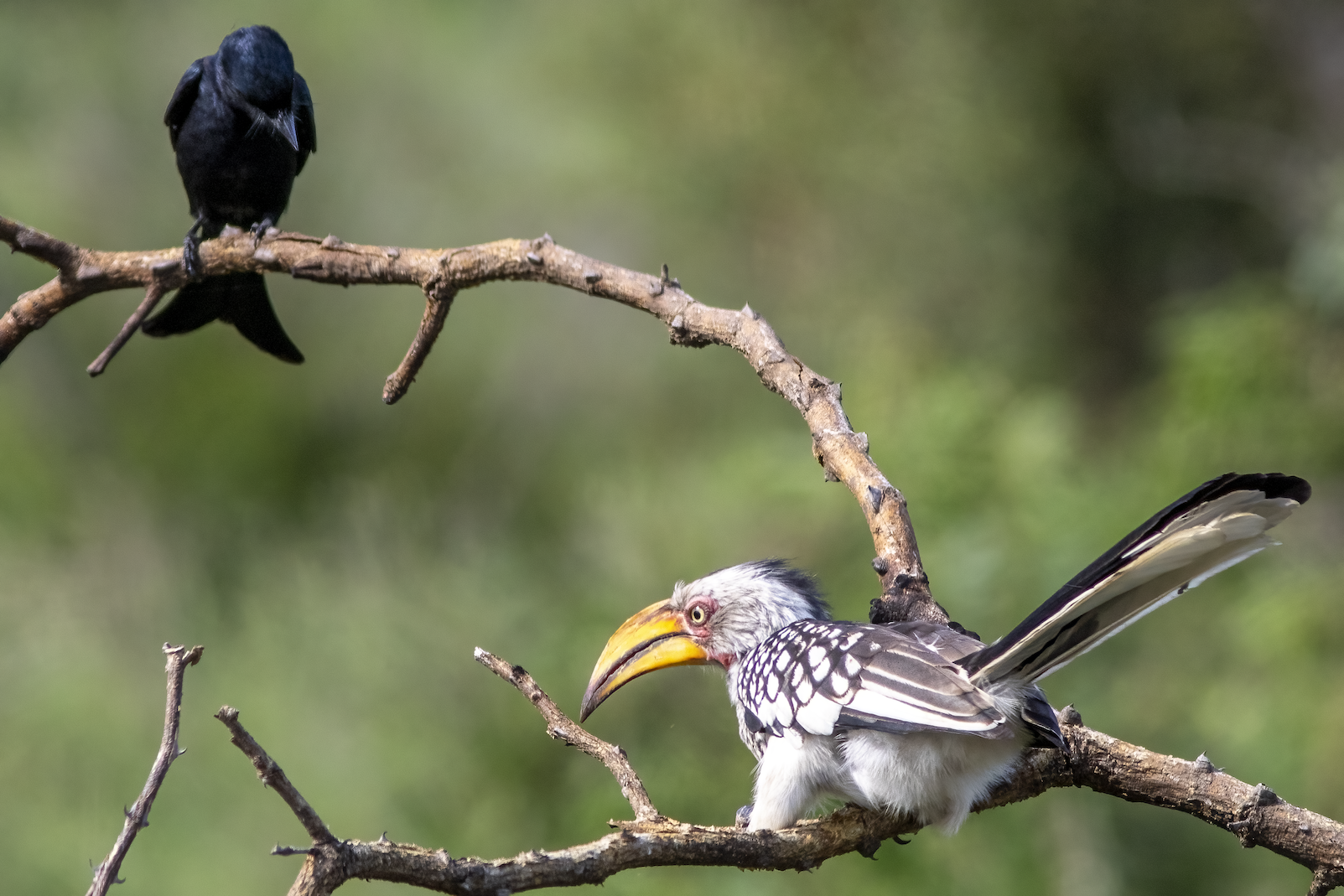
A well studied example has emerged from long-term research on meerkats and dwarf mongooses in southern Africa. Both species forage for beetles, scorpions, grubs and similar food items. They often are followed by birds, such as hornbills and drongos. Fork-tailed drongos in particular are clever birds with a versatile vocal repertoire. The mongooses pay attention to them because the drongos, from their elevated perches, can see danger coming from further away than the little mongooses with their noses in the grass. The mongooses have learned the drongo’s alarm calls, so an alarm sounded by a drongo elicits a quick response by their furry friends.
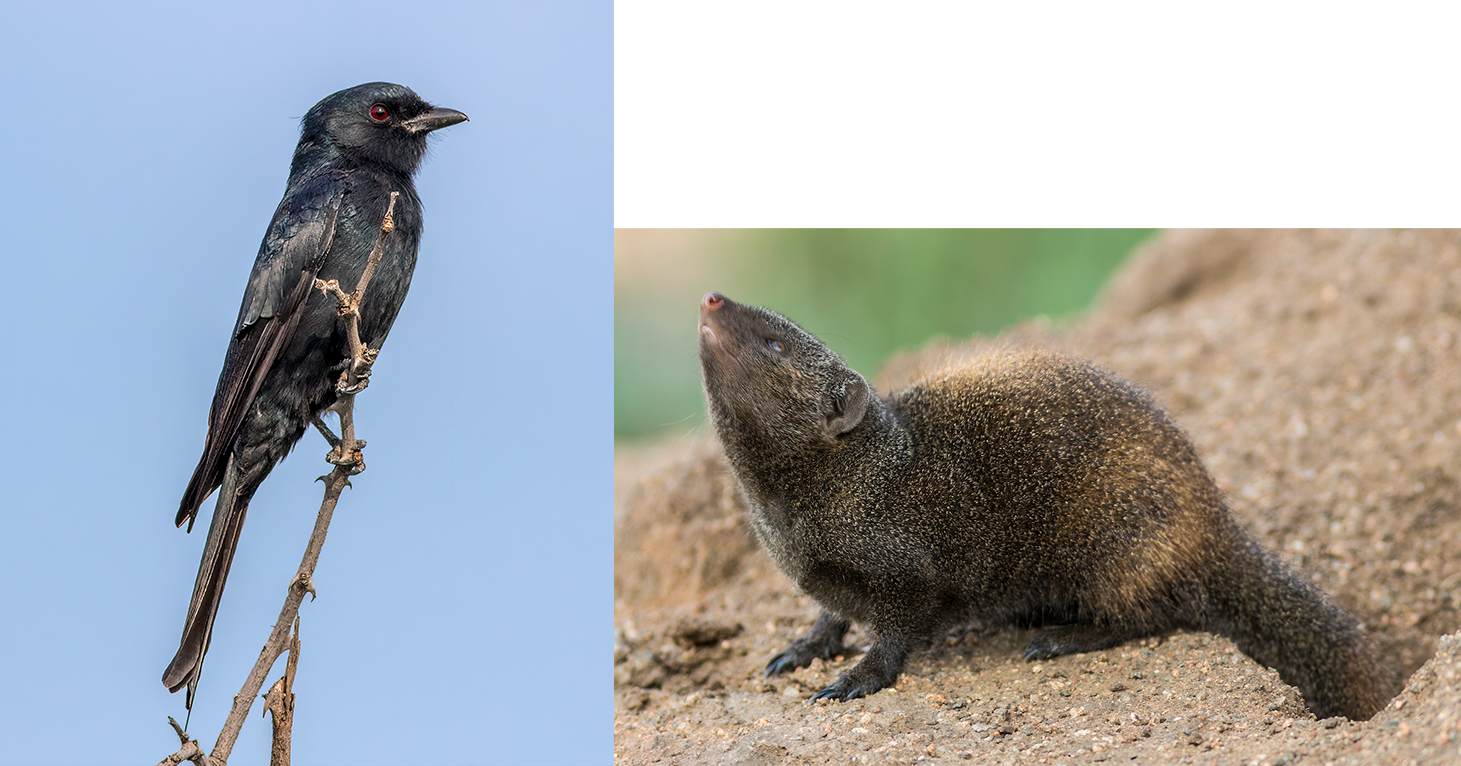
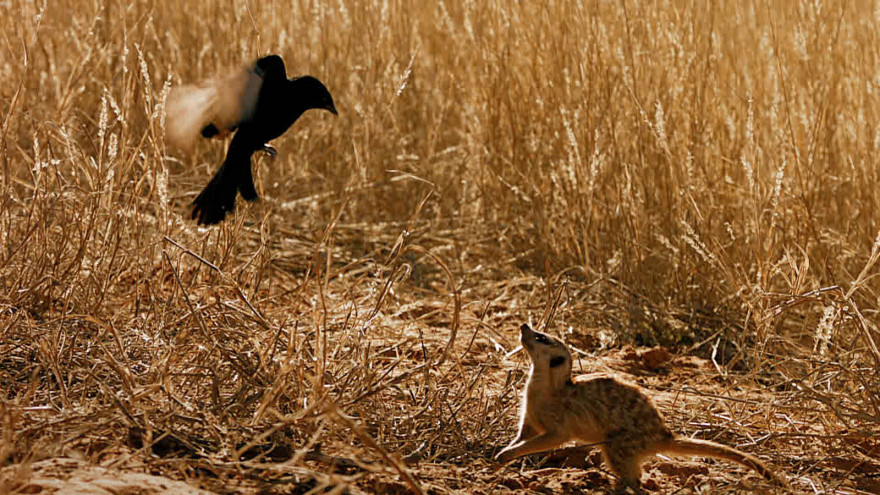
Because the drongo often provides true and useful information, an occasional false alarm can distract the mongoose long enough for the drongo to steal its food. But mongooses are clever in their own right, and can quickly learn to ignore false alarms of the drongo’s alarm. So the drongo mixes up its lies. Sometimes it imitates the alarm calls of the mongooses, sometimes those of other birds. It keeps the mongooses guessing, because the consequences of ignoring a true alarm is much greater than the relatively low cost of losing a food item after a false alarm. In the long run, both sides benefit, even if the drongo does so by cheating.
 Scott R. Robinson